
Exploring the psychology behind why we gamble a deeper look into our urges
The Thrill of Uncertainty
The allure of gambling often stems from the excitement of uncertainty. When individuals engage in games of chance, they experience a rush that comes from not knowing the outcome. This thrill triggers the brain’s reward system, releasing dopamine, which creates feelings of pleasure. Many people search for the best online casino to chase that initial high with each wager, drawn back into the game.

This unpredictable nature not only adds to the excitement but also fosters a sense of hope. Gamblers often believe that they have a chance to win, despite the odds being stacked against them. This belief can lead to repeated engagements, as the potential for a big win feels just within reach, keeping players captivated and invested.
Psychological Triggers and Impulses
Our behavior in gambling scenarios can often be linked to deeper psychological triggers. For some, gambling serves as a form of escapism, providing relief from stress and emotional turmoil. In these moments, the act of gambling allows individuals to temporarily forget their problems and immerse themselves in a different reality.
Moreover, the social aspect of gambling cannot be overlooked. Many people are drawn to casinos or online platforms for the sense of community they provide. Social interactions can enhance the overall experience, leading individuals to gamble more frequently. The combination of social pressure and the desire for belonging can significantly influence one’s gambling habits.
The Role of Cognitive Biases
Cognitive biases play a significant role in the psychology of gambling. Players often fall victim to the illusion of control, believing they can influence the outcome of games of chance through skill or strategies. This fallacy can lead to reckless decisions, as individuals may overestimate their abilities and underestimate the inherent risks.
Additionally, the gambler’s fallacy—the belief that past events influence future outcomes—can perpetuate gambling behavior. For example, if a player has lost several times, they may feel that a win is due. This misinterpretation of probability keeps players engaged, despite the reality that each game is independent of previous results.
The Impact of Environment and Marketing
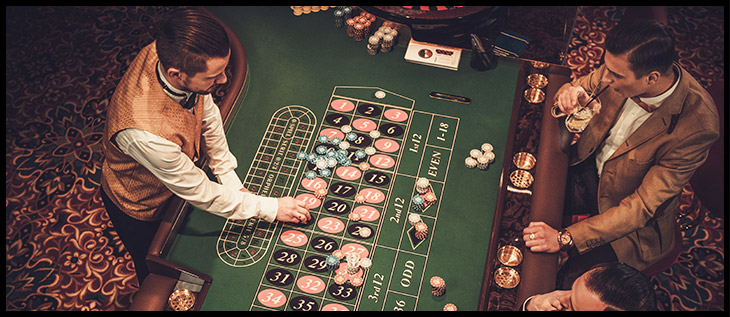
The environment in which gambling occurs can significantly affect behavior and decision-making. Casinos and online gambling platforms are designed to create an atmosphere of excitement and anticipation. Bright lights, engaging sounds, and strategic layouts all contribute to a sensory overload that can enhance the urge to gamble.
Marketing plays a crucial role as well, often targeting specific demographics with promises of easy winnings and entertainment. Advertisements can evoke strong emotional responses, drawing in potential gamblers who may not have considered participating otherwise. This combination of environmental stimuli and marketing strategies creates an enticing landscape that encourages gambling behavior.
About the Website
This website serves as a secure platform, offering users protection against online threats. It is designed to ensure that visitors can engage with content safely and without interruption. The use of Cloudflare technology emphasizes the importance of security, providing peace of mind for users navigating the site.
If users encounter any access issues, they are encouraged to reach out to the site owner with details of their experience. This commitment to user support enhances the overall experience, promoting a welcoming environment for those interested in exploring the psychological aspects of gambling and its regulation in the future.